
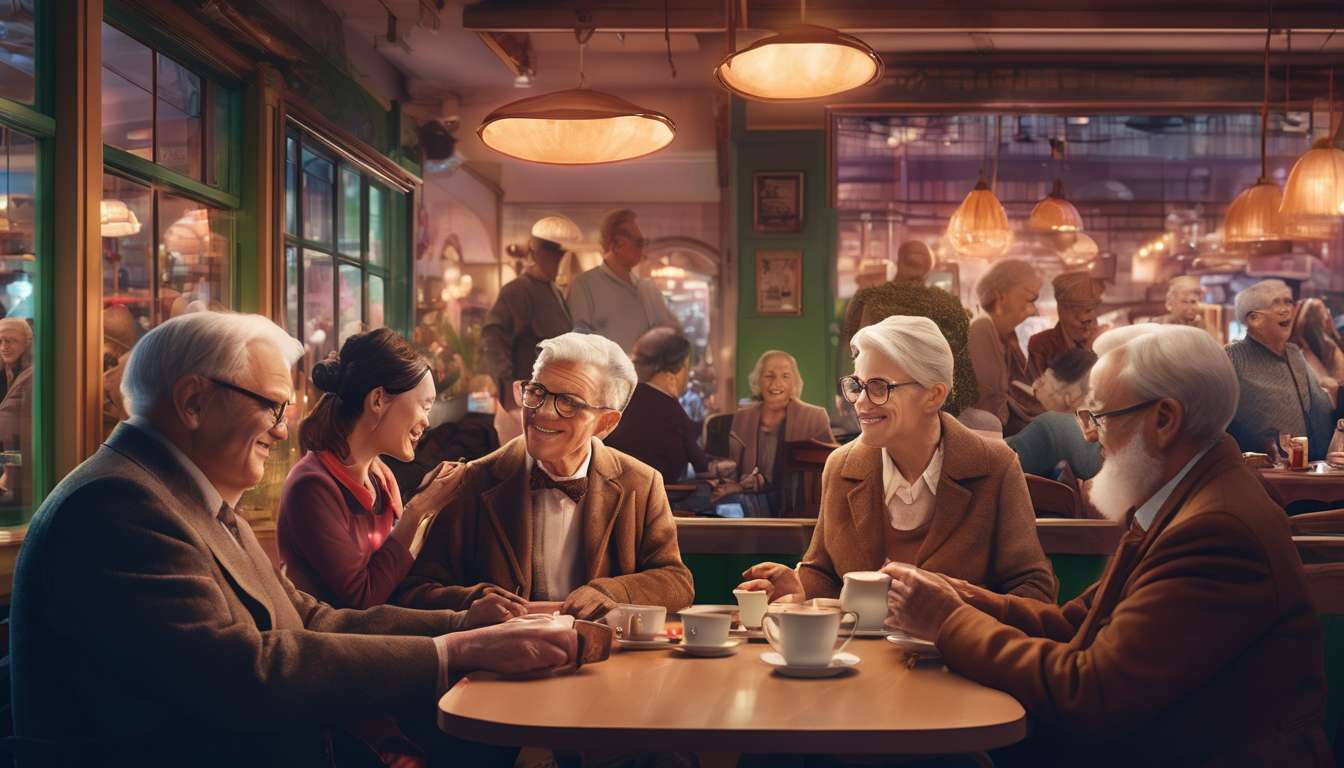
Many people believe that dating apps and matchmaking services erase cultural differences, offering a uniform path to love that ignores heritage, religion, and family expectations.
We challenge that myth by examining how deeply cultural attitudes continue to shape the ways adults seek partners, select platforms, and interpret signals.
As researchers and observers, we draw on surveys, interviews, and platform analytics to show that preferences are filtered through traditions: who we consider "suitable," how we present ourselves, and which resources we trust.
Rather than painting technology as a cultural equalizer, we find that it often amplifies existing norms or creates new hybrids that reflect local values.
In this article we will:
- Map the diverse strategies adults use across communities.
- Explore the role of age, gender, and socioeconomic status.
- Consider how service providers respond.
By unpacking assumptions about uniformity, we reveal how dating resources both adapt to and reshape cultural expectations.
Cultural Definitions of Suitability
We define suitability by how cultural norms shape which traits and behaviors we view as acceptable or desirable in adult partners.
We recognize that these shared expectations guide our judgments—what counts as respect, ambition, warmth, or faithfulness—so we look for partners who reflect those values.
In communities where family influence is strong, assessments often extend beyond individual preference:
- Elders’ approval
- Kinship ties
- Reputation
These factors carry weight, and we factor them into decisions about compatibility.
Even when we use matchmaking platforms, we bring cultural filters to profiles.
We interpret photos, bios, and signals through our communal lens.
That means we’re not just choosing attributes; we’re seeking affirmation that a potential partner will fit into our broader social world.
By naming these patterns, we create a language that helps us:
- Communicate expectations
- Set boundaries
- Support one another in finding relationships that feel secure and valued within our cultural context
Platform Preferences by Community
Different communities prefer specific dating platforms because they seek tools that reflect their values, privacy needs, and methods of vetting partners.
Cultural norms shape which apps feel welcoming.
- Some communities favor platforms that emphasize shared beliefs and long-term goals.
- Others choose casual, discovery-focused spaces.
People gravitate toward matchmaking platforms that offer curated matches or identity-affirming filters when they want depth and safety.
Privacy concerns drive platform choice; robust controls and moderation matter because belonging depends on trust.
In networks where reputation matters, profile verification and community-driven reviews become more used.
Users adapt patterns over time, migrating between niche apps and mainstream sites as expectations shift.
By recognizing how cultural norms, technological features, and subtle pressures (like family influence) intersect, we can choose resources that help us connect authentically without compromising belonging or personal boundaries.
Family Influence and Matchmaking
Many families play an active role in partner selection, shaping where we look, who we trust, and which compromises feel acceptable.
We recognize that family influence often guides our choices.
- Examples include encouraging introductions through trusted relatives and nudging us toward specific matchmaking platforms that align with cultural norms.
- In communities where collective decision-making matters, we welcome relatives’ perspectives as a source of care and shared responsibility rather than intrusion.
We balance personal preferences with expectations by communicating openly with family members about boundaries and deal-breakers.
We select platforms that support family-involved searching and vetted connections.
- Features that help include:
- Verified profiles to increase trust.
- Community moderators to uphold norms and safety.
- Family-consent pathways that allow relatives to participate without overriding personal choice.
This collaborative approach helps us maintain belonging while retaining agency.
By combining familial wisdom with thoughtful use of resources, we create partnerships that reflect both community values and individual needs.
Religion and Dating Choices
Many people weigh religious beliefs and practices heavily when choosing partners, seeking compatibility in faith, values, and community involvement.
We look for shared rituals, moral frameworks, and congregational ties that make daily life feel coherent and supportive.
Cultural norms shape which aspects of religion matter most — whether regular worship, dietary rules, or charitable work — and we often interpret dating through those lenses.
Matchmaking platforms respond by offering filters and faith-based communities, but we still rely on trusted networks to validate intentions.
Family influence remains strong: elders and kin can guide introductions, endorse matches, or advise against unions that stray from tradition.
We balance personal desire for connection with obligations to faith communities, negotiating compromises when beliefs differ.
When platforms, families, and communal expectations align, we feel a sense of belonging that eases courtship.
If they clash, we:
- navigate difficult conversations,
- set boundaries, and
- prioritize which religious elements are essential for a lasting partnership.
Age, Gender, and Resource Use
Across age groups and genders, people choose and use dating resources differently, reflecting varying priorities, tech comfort, and expectations for relationships.
Younger adults often turn to matchmaking platforms and apps, valuing:
- speed,
- variety,
- shared interests.
Older adults may prefer slower, relationship-focused routes or in-person introductions that align with cultural norms about courtship.
Men, women, and nonbinary people navigate different pressures:
- Some seek broad options and variety.
- Others prioritize safety and trust.
- Nonbinary people look for inclusive spaces that honor identity.
Family influence shapes choices through:
- encouragement to use certain platforms,
- introductions at gatherings,
- expectations about timelines.
Gendered communication styles affect how resources are used and which features feel welcoming.
To foster belonging, services should reflect diverse needs by offering:
- clear safety features,
- culturally sensitive options,
- ways to incorporate family-approved introductions without erasing personal autonomy.
By recognizing age and gender patterns, designers can create dating resources that respect traditions while expanding accessible, affirming pathways to connection.
Socioeconomic Status Effects
Socioeconomic status shapes access to dating resources, priorities, and risk tolerance.
Income and education guide choices. Some people can afford premium matchmaking services and curated events, while others rely on free apps, community gatherings, or family-mediated introductions.
Cultural norms intersect with resources. Affordability influences whether people follow broad trends or adapt them to local expectations.
Family influence varies by class. Families with more resources may invest in professional services, whereas close-knit networks in lower-income groups circulate recommendations and support.
Time poverty changes tool selection. When work demands are intense, people opt for low-effort tools even if those tools are less selective.
These differences shape partner pools, expectations, and long-term outcomes. They also affect feelings of belonging and social integration.
To address inequities, prioritize accessible, culturally sensitive options and strengthen community-based supports.
- Support should honor different economic realities and relationship goals.
- Interventions can include subsidized or sliding-scale services, community matchmaking, and culturally tailored outreach.
Provider Responses and Localization
Providers respond to local needs by adapting services, pricing, and outreach to fit regional expectations and resource constraints.
We recognize that cultural norms shape who feels welcome and how they search for connection, so we tune messaging and features to reflect local rhythms.
Our teams work with community leaders to ensure matchmaking platforms respect language, dress codes, and privacy expectations, while keeping interfaces simple for varied tech access.
We adjust subscription tiers and in-person event costs so neighbors with different incomes can participate without stigma.
We build options that acknowledge family influence, so people can choose a path that feels right alongside loved ones:
- Allowing family-sanctioned introductions.
- Providing privacy controls when families are less involved.
By collecting feedback from users and local partners, we iterate quickly to create a sense of belonging across diverse settings.
We want everyone to see themselves in our services, and we measure success by how comfortable communities feel using and recommending our resources.
Hybrid Traditions and Technology
We blend time-honored rituals with digital tools so people can honor tradition while using convenient, safe ways to meet and vet potential partners.
We recognize that cultural norms shape expectations about courtship; therefore, we design matchmaking platforms that respect those expectations while expanding possibilities.
We invite families to participate when appropriate by integrating family influence through:
- curated profiles
- moderated group introductions
- optional family endorsements that ease trust-building
We balance reverence for rituals with practical features. This includes:
- verified identities
- compatibility algorithms informed by local values
- privacy settings that protect reputation
We encourage users to share which traditions matter most, so our services adapt rather than erase customs.
We train moderators and local partners to mediate cross-generational concerns and to help families feel included without overruling individuals’ choices.
By mixing tradition and technology thoughtfully, we create welcoming spaces where people belong, connect safely, and pursue relationships that honor both personal agency and communal bonds.
How do intersectional identities (e.g., race combined with sexual orientation or disability) specifically alter adults’ access to and use of dating resources?
Research focus: We’re asking how intersectional identities shape access to and use of dating resources.
Key finding — combined identities create unique barriers: When identities like race, sexual orientation, and disability intersect, people face reduced platform safety, fewer tailored options, and biased algorithms that limit visibility and matching.
Social-network effects: Those excluded from mainstream networks show a stronger reliance on niche communities, which serve as alternative spaces for connection and support.
Adaptive responses: People are seeking inclusive spaces, advocating for accessibility, and building peer-led resources to ensure everyone feels seen, safe, and welcomed in dating environments.
What role do government policies or laws (such as data protection, anti-discrimination, or marriage immigration rules) play in shaping which dating resources are available or trusted in different cultures?
Government laws and policies shape which dating resources we can access and trust by setting privacy standards, enforcing anti-discrimination rules, and controlling marriage immigration pathways.
We prefer platforms that comply with strong data protection and inclusive laws and are wary of services that fail to protect user data or that create immigration risks.
We lobby for fair regulations so everyone can pursue relationships safely and with dignity.
How do mental health considerations (like social anxiety, depression, or past trauma) influence the choice or effectiveness of dating platforms and matchmaking services across cultures?
Mental health (social anxiety, depression, trauma) significantly influences how people choose and use dating platforms and services.
People seek platforms that feel safe and allow slow pacing.
Preferences include:
- options for gradual engagement (e.g., message-first, extended profiles)
- moderation that prevents harassment
- therapeutic or supportive resources available
Clear community standards and privacy controls are essential.
Key features desired:
- transparent rules and enforcement
- granular privacy settings
- mechanisms to report or block harmful users
Low-pressure interaction options increase engagement and belonging.
Examples:
- group activities or icebreaker prompts
- asynchronous communication
- opt-in guided introductions
When services acknowledge mental health and provide supportive features, users engage more and form more trusting connections.
Outcomes:
- Increased user engagement
- Greater sense of belonging
- Higher likelihood of forming trusting relationships
Conclusion
Cultural definitions of suitability shape who and how people pursue partners, influencing platform choices and whether families or faith guide decisions.
Personal characteristics — such as age, gender, and socioeconomic status — steer which resources feel appropriate, and providers respond by localizing options.
Hybrid traditions blend matchmaking and technology, so you need to consider both community norms and digital tools when navigating dating resources.
Adaptation yields better outcomes: tailoring strategies to fit the cultural context produces more effective results.